

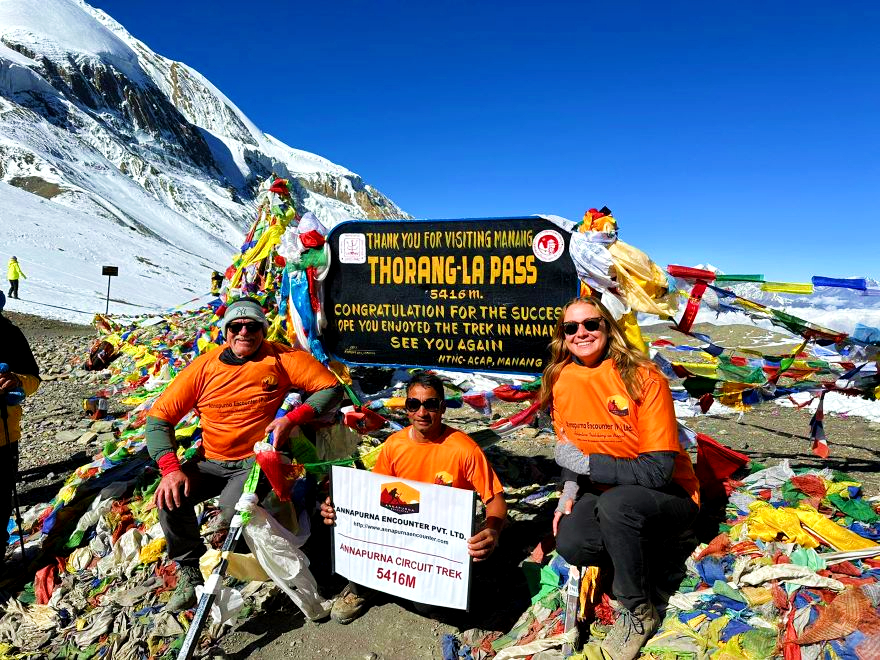
The Annapurna Circuit is a pilgrimage for trekkers, a 150-200 kilometer journey through some of the world’s most dramatic mountain scenery. Planning this adventure, however, extends beyond booking flights and packing a bag. The logistical and cultural complexities of trekking in Nepal demand more than a guidebook. While international agencies offer packages, the most significant advantage comes from booking a local trekking company in Nepal. This choice fundamentally shapes your experience, safety, and the positive impact you leave behind.
A local operator’s value isn’t just in cost—though that’s often a factor. It lies in a deep, ingrained understanding of the trail’s rhythms, the mountain’s moods, and the communities you pass through. Your Annapurna Circuit Trek itinerary becomes more than a schedule; it transforms into a curated experience built on generations of knowledge. This article details how local expertise directly influences every facet of your trek, from safety protocols and cultural immersion to economic sustainability and seamless logistics.
The Unmatched Value of Local Expertise
Local companies don’t just operate on the trail; they are part of it. Their guides often hail from the very regions you trek through, meaning their knowledge is personal and current. They know which teahouse has the best dal bhat, which pass is showing early-season ice, and which trail shortcut is actually a risky erosion zone. This granular intelligence is impossible to glean from a satellite office abroad.
This expertise translates directly into safety. Local teams have real-time weather insights through regional networks and can make critical decisions about acclimatization days or pass crossings based on conditions, not just a printed itinerary. They are also first responders, trained in wilderness first aid and intimately familiar with evacuation protocols and the locations of the nearest health posts. When you book with a local team, you’re buying into a safety net woven from lived experience.
Cultural Fidelity and Authentic Engagement
Trekking the Annapurna Circuit is a cultural journey through Gurung, Thakali, and Manangi villages. A local operator facilitates genuine connection, not just observation. Guides act as cultural interpreters, teaching you basic Nepali phrases, explaining customs, and ensuring your interactions are respectful. They might introduce you to a family in Manang or explain the rituals at Muktinath, turning a scenic stop into a meaningful encounter.
This respectful approach protects the cultural fabric of the region. Local companies have a vested interest in preserving the traditions and environments that attract visitors. They educate trekkers on responsible practices, from waste disposal to temple etiquette, fostering sustainable tourism. Your visit becomes a positive exchange, supporting homestays and local businesses directly, rather than filtering funds through international chains.
Logistical Precision and On-Ground Flexibility
The logistics of the Annapurna Circuit are daunting: arranging TIMS cards and permits, coordinating domestic flights to or from Jomsom, booking teahouse accommodations during peak season, and managing a team of porters. A seasoned local company handles this with efficiency born of daily practice. They have established relationships with teahouse owners, permit offices, and transport providers, smoothing out potential friction points before you even land in Kathmandu.
Furthermore, they build inherent flexibility into your Annapurna Circuit Trek itinerary. A rigid schedule can break under the realities of altitude, weather, or a trekker’s health. Local operators design itineraries with strategic buffer days and are adept at making real-time adjustments—perhaps spending an extra night in Thorong Phedi for better acclimatization or rerouting due to a landslide—without the entire plan collapsing. This agility ensures the trek remains enjoyable, not a stressful race against a fixed timetable.
Economic Impact: Keeping Resources in the Community
Choosing a locally owned and staffed company ensures your trekking dollars benefit the Nepali economy directly. More of your payment goes to the guides, porters, office staff, and their families within Nepal. These are careers that support entire households and villages. Porters, often from economically disadvantaged backgrounds, receive fair wages, proper insurance, and ethical treatment when working for reputable local firms.
This direct economic channel strengthens the region’s resilience. It funds education, healthcare, and local infrastructure projects. It provides a powerful incentive for communities to maintain the trails and preserve their environment. By booking locally, you contribute to a cycle of sustainable development that protects the very experience you came to enjoy for future trekkers.
Risk Mitigation and Legal Accountability
Nepal has specific regulations governing trekking agencies, including insurance requirements for staff and bonding for client security. A licensed local trekking company in Nepal operates under the direct scrutiny of the Nepal Tourism Board and Trekking Agencies’ Association of Nepal (TAAN). This provides you with formal recourse and assurance should any dispute arise.
International bookers often subcontract to local ground handlers, creating a chain of responsibility where accountability can blur. Dealing directly with the local operator clarifies the chain of command. You have a direct line to the management team in Kathmandu who are ultimately responsible for your safety and satisfaction. This direct relationship simplifies communication and problem-solving before and during your trek.
Crafting a Superior Itinerary
Beyond the standard route, local experts can tailor an itinerary to match your interests and fitness level. They might suggest adding the serene Tilicho Lake side trek, recommend a specific acclimatization hike near Manang, or advise on the optimal direction (traditional clockwise vs. anti-clockwise) based on current trail conditions and crowd flow.
Their knowledge turns a good itinerary into a great one. They know where to find solitude away from the main trail, which campsites offer the best sunrise views, and how to pace the stages to maximize enjoyment and minimize altitude risk. Your trek becomes a unique journey, not an off-the-shelf product.
Frequently Asked Questions
Isn’t booking with an international company safer?
International companies almost always subcontract to local ground operators. Cutting out the middleman and booking directly with a reputable local agency often means clearer communication, direct accountability, and the same safety standards, as all licensed Nepali companies must adhere to strict government regulations for guide training and insurance.
How do I verify a local company is reputable?
Check for valid licenses from the Nepal Tourism Board and TAAN membership. Read recent, independent client reviews on platforms like TripAdvisor. A good company will be transparent, answering questions about guide certifications, porter welfare policies, and insurance details directly. Ask for their company registration number.
Will there be a language barrier?
Reputable local companies employ guides fluent in English and often other languages. Office staff are also proficient in English for communication during the booking process. In fact, local guides often have a more nuanced understanding of cultural context that enhances communication beyond simple translation.
Are local companies more expensive?
Not necessarily. By eliminating international overheads, local operators can offer more competitive pricing while often including more value. More importantly, a greater portion of your fee stays within Nepal, directly supporting the local economy and the people who make your trek possible.
Can they handle last-minute changes or emergencies?
This is one of their key strengths. Being on the ground with local networks allows them to react swiftly to changes in weather, health issues, or other disruptions. They manage logistics daily and can arrange evacuations, route changes, or accommodation switches far more efficiently than an overseas office could.
What about sustainable practices?
Local companies are inherently more invested in sustainable tourism because their homes and communities are directly affected. They are more likely to enforce strict “leave no trace” policies, use local suppliers, support community projects, and educate trekkers on reducing environmental and cultural impact.
Conclusion
Choosing to book your Annapurna Circuit adventure with a local trekking company in Nepal is a decision that resonates far beyond your own vacation photos. It is an investment in safety rooted in intimate trail knowledge, an opportunity for authentic cultural exchange, and a direct contribution to the economic vitality of the Himalayan communities you visit. The logistical ease, on-ground flexibility, and personalized itinerary they provide are not just conveniences; they are the pillars of a truly successful and rewarding trek.
Your journey around the Annapurna massif becomes more than a personal achievement. It becomes a partnership with the people who call these mountains home. By placing your trust in local expertise, you ensure that the legendary trails of the Annapurna Circuit remain vibrant, supported, and open for generations of trekkers to come. The mountains are their legacy; a local company helps you experience them as a respectful guest, not just a passing visitor.